Woodworking Logbook KDP Interior Guide
Keeping track of woodworking projects, tools, and materials can become chaotic quickly. A dedicated system helps you stay organized, and a Woodworking Logbook KDP Interior offers a practical solution for both personal record-keeping and commercial publishing. This ready-made template provides a structured way to log every detail of your woodworking work while being simple to upload and sell on Amazon KDP.
What Makes This Interior Design Useful
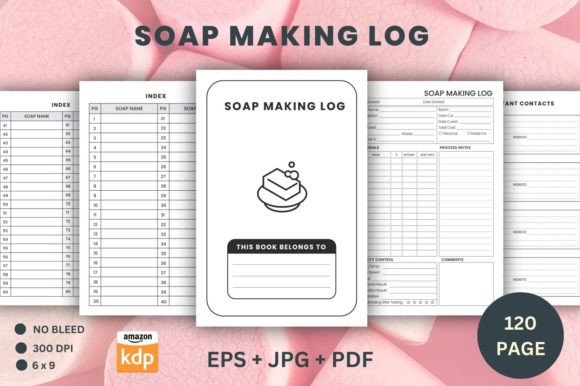
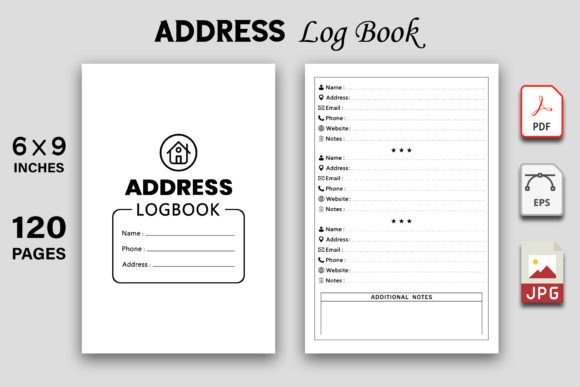
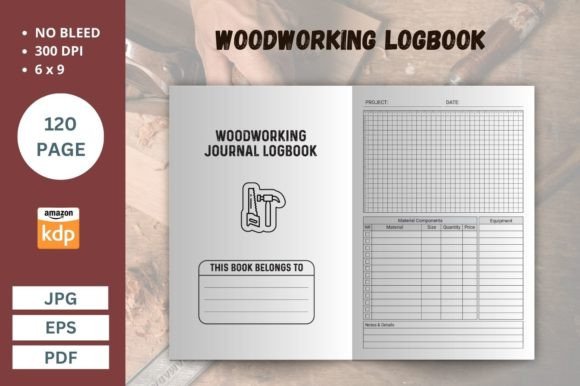
At its core, a Woodworking Logbook KDP Interior is a pre-designed set of pages built specifically for documenting woodworking tasks. The template includes 120 pages at 300 dpi resolution, available in JPG, EPS, and PDF formats. With a 6×9 inch trim size and no bleed, it fits perfectly within KDP specifications. The high resolution ensures crisp printing, and the print-ready files require no extra adjustments before uploading.
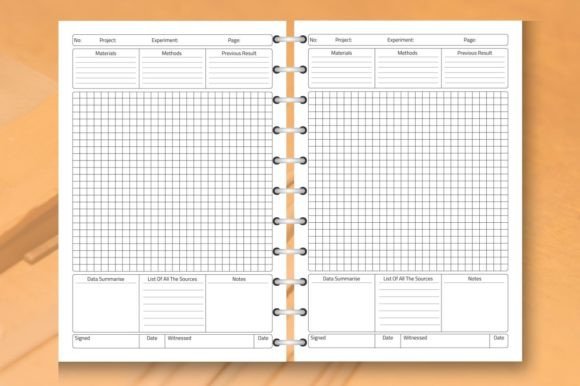
For someone who builds furniture, cabinets, or small wooden items, these pages replace scattered notes with a consistent layout. Each page typically features lined sections for logging project names, dates, materials used, dimensions, notes, and completion status. The design supports both hand-written entries and digital printing, depending on your preference.
Why Woodworkers and Creators Value This Tool
Woodworking involves many moving parts. From selecting lumber and measuring cuts to tracking finishing techniques and hardware choices, details matter. A logbook helps you recall exactly what worked and what didn’t in previous projects. Over time, this collection becomes a personal reference library of successes and lessons learned.
For hobbyists who spend weekends in the workshop, the logbook keeps enthusiasm organized. You can record which joinery methods produced the strongest results or note which finishes enhanced the grain of a particular wood species. Beginners benefit greatly because the structured format prompts them to record critical information they might otherwise forget.
Professionals and small business owners use the logbook for client work. Recording specifications, material costs, and time spent on each piece supports accurate billing and future estimates. It also provides a paper trail for warranty tracking or custom order details.
Practical Use Cases for the Logbook Pages
The beauty of this interior lies in its versatility. Here are a few realistic ways people use it:
- Project tracking – Note the start and end date of each build, along with the type of wood, hardware, and finish applied.
- Tool maintenance records – Log sharpening schedules, blade replacements, and calibration checks for saws, planers, and routers.
- Material inventory – Keep a running list of lumber stock, plywood sheets, and hardware supplies so you know what you have on hand.
- Client commissions – Record customer preferences, special requests, and delivery timelines for custom furniture or cabinetry.
- Skill development – Track techniques you are learning, such as dovetail joinery, veneering, or carving, and note progress over time.
- Workshop planning – Sketch layout ideas or jot down tool placement adjustments to improve workflow efficiency.
Each of these examples shows how a simple notebook page can transform scattered thoughts into organized records. The lined format gives enough structure without being rigid, so you can adapt it to your own style.
Why KDP Creators Choose This Interior
If you publish low-content or no-content books on Amazon, finding an interior that passes KDP validation saves time and frustration. This design has been tested on Amazon KDP with 100% success, meaning the formatting, margins, and resolution meet platform requirements. The 6×9 size is a popular choice for notebooks and journals because it feels comfortable in hand and fits well on bookshelves.
Keywords like logbook, working, cabinetmaker, lined, log, tracking, project, kdp, furniture, gift, diary, wood, planner, building, bookkeeping, axe, tree, printables, business, printing, notebook, wood working log pages, journal pages, book, graphic, notepad, workshop, carpenter, cabin, tools, woodworker, journal, template, craft, wooden, equipment, knife, retro, vintage help the listing reach the right audience. The interior appeals to woodcarvers, carpenters, cabinetmakers, and anyone involved in woodworking trades or hobbies. The retro and vintage style adds character, making it suitable for gift-giving or personal use.
What to Consider Before Using This Interior
Choosing the right interior for your needs involves a few practical considerations:
Intended Use
Decide whether you plan to print the pages for your own workshop or sell them as a completed KDP book. The files are ready for both scenarios, but your approach to distribution differs. For personal use, you can print as needed. For commercial use, you will upload the PDF directly to KDP and set your own pricing.
Page Count and Content Density
With 120 pages, you have ample space for multiple projects. Consider how often you log entries. A hobbyist who completes one project per month will have years of records. A professional builder may fill pages faster. If you need more pages, you can combine multiple interiors or extend the design yourself.
File Formats and Editing
The included JPG, EPS, and PDF files give flexibility. PDF works best for direct upload to KDP. EPS allows custom editing in vector software if you want to adjust headers, add logos, or change layout elements. JPG files are suitable for quick previews or printing individual pages. The 300 dpi resolution ensures sharp output at the 6×9 size.
No Bleed Specification
The no-bleed format means content stays within the safe printable area. This simplifies upload because you do not need to adjust margins. It also keeps production costs lower compared to bleed formats. Just ensure your printer or KDP settings match the no-bleed requirement when you upload or print.
How to Get the Most Out of the Logbook
To maximize the value of this interior, use it consistently. Set aside a few minutes after each project session to write down key details. Include measurements, techniques, and any adjustments you made. Over time, these entries reveal patterns that improve your craft.
For KDP publishers, pair the interior with a cover design that reflects the woodworking theme. The retro and vintage keywords can guide your cover style. Use relevant categories like woodworking, crafts, and notebooks to improve discoverability. A well-crafted product description that highlights the features and benefits helps buyers understand exactly what they are getting.
Who Benefits Most From This Interior
This template suits a wide range of users beyond traditional woodworkers. Educators teaching shop classes can use it to track student progress. Bloggers documenting DIY furniture builds can keep detailed notes for tutorials. Small business owners managing custom orders appreciate having a dedicated log for each client project. Even hobbyists who enjoy woodcarving or whittling find the pages useful for recording knife preferences and carving techniques.
The design is straightforward enough for beginners yet detailed enough for seasoned professionals. If you have ever wished you had written down the exact dimensions or finish schedule from a successful project, this logbook solves that problem.
Final Thoughts on Woodworking Logbook KDP Interior
A Woodworking Logbook KDP Interior bridges the gap between creative woodworking and practical organization. Whether you use it to document your own builds or sell it as a printed notebook, the structure supports better record-keeping and project management. The tested KDP compatibility removes technical barriers, so you can focus on content and design. With 120 high-resolution pages, multiple file formats, and a clean layout, this interior offers a solid foundation for anyone serious about woodworking documentation or KDP publishing.